How to distinguish laboratory-created and natural diamonds?
If you are shopping for diamonds, one question comes up again and again: how to tell if a diamond is lab grown or natural? With lab-grown diamonds now accounting for a large share of the market, buyers want to know whether a stone is synthetic, whether the difference matters, and how they can verify what they are buying. This guide walks through the only reliable ways to tell them apart—and explains why most home tests simply do not work.
Before diving into the methods, it helps to understand why this is so hard. A lab-grown diamond and a natural diamond share the exact same chemical composition (pure carbon), the same crystal structure, and the same optical behavior. There is no “tell” you can see with your eye the way you can spot a fake designer handbag. The difference is not in the stone itself, but in its growth history—which is precisely why the most reliable identification methods are documentary and instrumental rather than visual.
What Is a Lab-Grown Diamond?
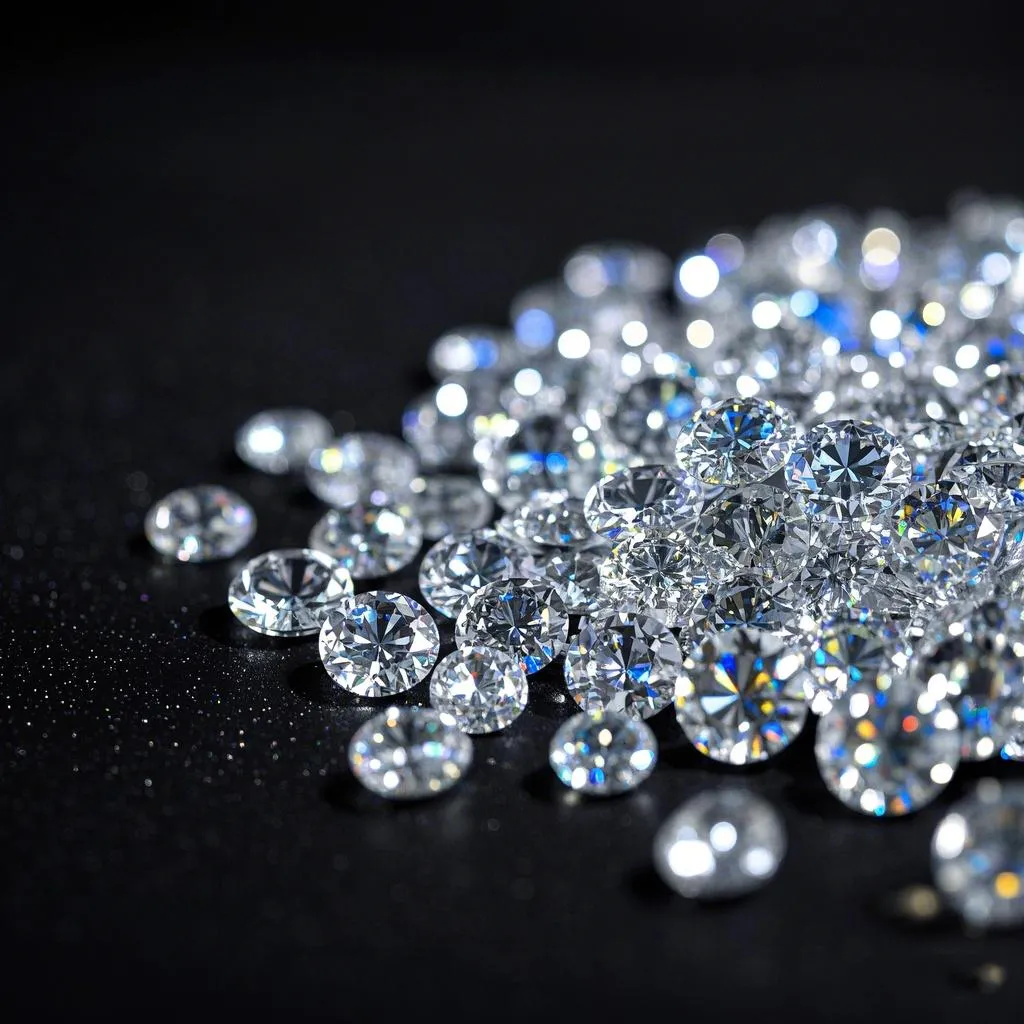
A lab-grown (laboratory-created) diamond is a real diamond produced in a controlled environment instead of being mined. It is made of pure carbon in the same diamond crystal structure, and it has the same optical, thermal and chemical properties as a natural diamond. There are two production methods: HPHT (high pressure, high temperature) and CVD (chemical vapor deposition). To understand how the two processes differ in quality, price and grading, read our guide on CVD vs HPHT lab-grown diamonds.
Are Lab-Grown Diamonds Real Diamonds?
Yes. A lab-grown diamond is chemically, physically and optically identical to a natural diamond. It scores 10 on the Mohs scale of hardness, refracts light the same way, and passes the same thermal and electrical conductivity tests as a mined diamond. The only real difference is origin: one grew deep inside the Earth over billions of years, the other in a laboratory over a few weeks. So if you are wondering are lab diamonds real, the answer is that they are genuine diamonds—just with a different source. Independent labs such as GIA and IGI confirm this on certificates that state the stone is “laboratory-grown.”
What about the confusion around CVD stones in particular? Queries like are CVD diamonds real are very common, and the answer is the same: CVD is simply one method of growing a diamond in a lab, and the result is a genuine diamond, not a simulant such as moissanite or cubic zirconia.
How to Tell If a Diamond Is Lab-Grown or Natural
Here is the honest answer: you cannot reliably tell them apart with your eyes, a jeweler’s loupe, or a standard diamond tester. A 1-carat lab-grown diamond and a 1-carat natural diamond of the same grade are effectively indistinguishable to the untrained eye. That is exactly why certificates and laboratory testing exist. Below are the methods that actually work, from most to least definitive.
| Method | Reliability | What it can tell you |
|---|---|---|
| Grading certificate (GIA / IGI) | Definitive | Origin printed on the report; clearly states lab-grown or natural |
| Professional lab testing (DiamondView, spectroscopy) | Definitive | Growth patterns and trace elements confirm origin |
| Laser inscription | Strong | Many lab-grown stones are inscribed ‘LAB-GROWN’ on the girdle |
| Magnification (loupe, microscope) | Weak clue | Inclusions and growth lines hint at origin, never conclusive |
| UV / black-light fluorescence | Unreliable | Fluorescence varies in both types; not a valid test |
| Standard diamond tester | Not useful | Both read as diamond; cannot distinguish origin |
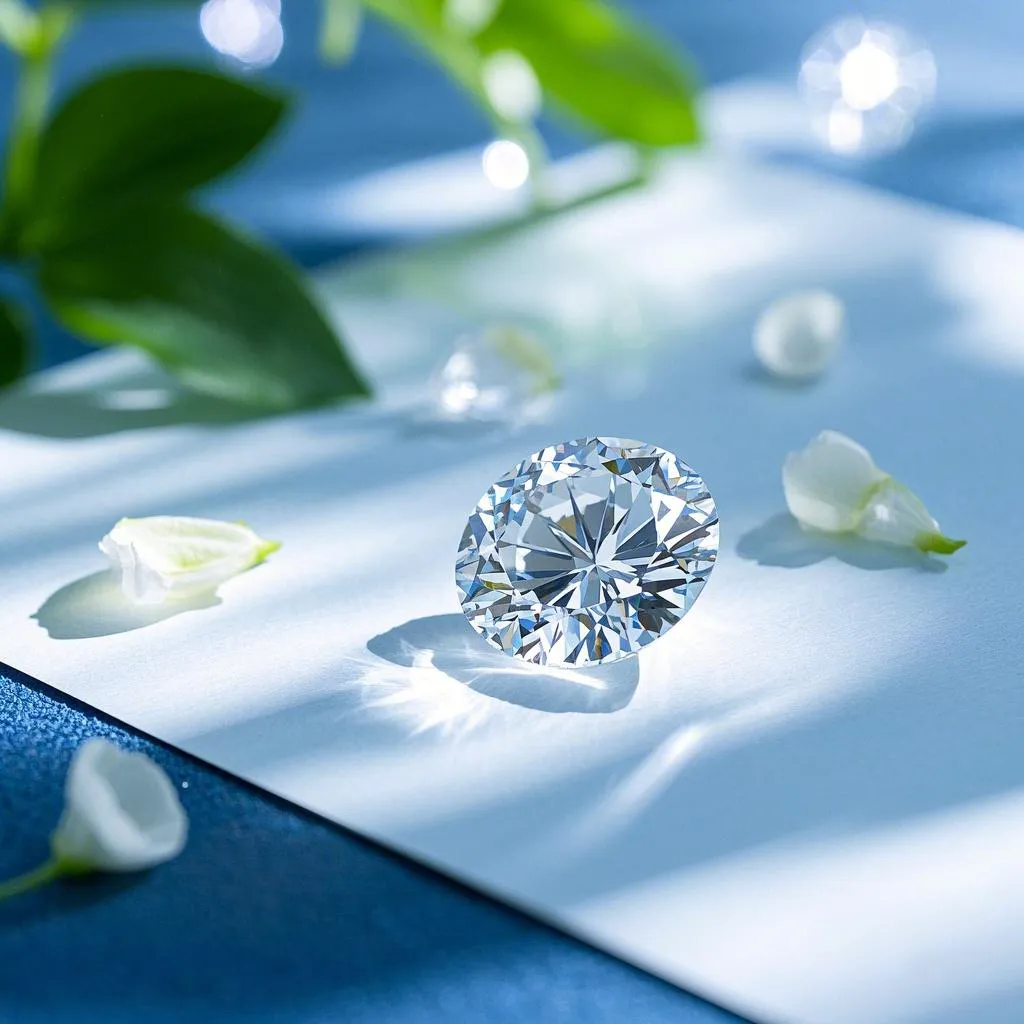
The short version of the table above: only a certificate or a gemological laboratory can give you a definitive answer. Everything else is either a supporting clue or a myth. Keep this in mind whenever someone claims to be able to spot a lab-grown diamond at a glance.
Method 1: Read the Certificate
The single most reliable way to know if a diamond is lab grown is to check its grading report. All major laboratories—including GIA, IGI, and GIA Laboratory-Grown Diamond Reports—print the origin directly on the certificate. A lab-grown diamond report is titled “Laboratory-Grown Diamond Report” or states “synthetic/lab-grown,” while a natural diamond report will say nothing of the sort.
When buying online, ask the seller for the report number and verify it on the issuing laboratory’s website. A legitimate report number can be looked up in the laboratory’s public database and will match the stone’s measurements and carat weight. Be wary of certificates from labs with no public verification system, or of sellers who refuse to share a report number.
If the diamond has a laser inscription on its girdle, the inscription and the certificate number usually match. This gives you a second layer of verification: you can confirm both the inscription and the report online. For a wholesale supplier’s perspective on certified stones, browse our certified loose lab diamonds collection.
Method 2: Send It to a Professional Lab
If there is no certificate, the only definitive way to identify a lab-grown diamond is with gemological instruments. A jeweler or gem lab can use a DiamondView, which photographs the growth pattern under UV light (lab-grown CVD stones show characteristic striations, while natural diamonds show octahedral growth lines), plus photoluminescence spectroscopy and infrared spectroscopy to analyze nitrogen content and defects. These machines are expensive and require trained operators—they are not something you will find in most retail shops.
Many newer lab-grown diamonds are laser-inscribed with the words LAB-GROWN on the girdle, often next to the certificate number. If the stone has an inscription, it is strong evidence; a magnifier is enough to read it. Note that not every lab-grown diamond carries an inscription, so its absence proves nothing.
Method 3: Look at Inclusions and Growth Patterns
Under 10x magnification, an experienced gemologist can sometimes spot clues. Natural diamonds often contain mineral inclusions, feathers or crystals formed over geological time. HPHT lab-grown diamonds may contain tiny metallic inclusions (flux) and strong color banding; CVD lab-grown diamonds frequently show a layered, striated appearance when grown. These are useful hints, but they are not conclusive—high-clarity stones from both origins can be clean, and only a lab can give a definitive answer.
Why a Diamond Tester Cannot Tell the Difference
This is the most important misconception to clear up. A standard diamond tester measures thermal or electrical conductivity to distinguish a diamond from simulants such as moissanite and cubic zirconia. Because lab-grown and natural diamonds are both real diamonds with identical conductivity, a diamond tester cannot tell them apart—it will read both as “diamond.” The same applies to a UV/black-light test: some lab-grown diamonds fluoresce more strongly, but fluorescence varies widely in natural diamonds too, so it is not a valid indicator. If a seller offers a home test as proof of origin, treat that claim with caution.
What About Price Differences?
Price is not a test, but it is a useful signal. Because lab-grown diamonds are grown in weeks rather than formed over millions of years, they typically cost 60–85% less than a comparable mined diamond. If you are offered a “natural” diamond at a suspiciously low price, the odds are that it is actually lab-grown (or lower graded than claimed). A too-good-to-be-true price should always push you toward asking for the certificate and running an independent verification.
The price gap also explains the growth of the lab-grown market: buyers can afford a larger stone, a better color or clarity, or simply a lower budget for the same look. This is why many wholesalers and retailers now stock both natural and lab-grown inventory and let the certificate speak for the origin.
Frequently Asked Questions
Can you tell if a diamond is lab grown by looking at it?
No. Lab-grown and natural diamonds of the same grade look identical to the naked eye. Origin can only be established from a certificate or a professional gemological test.
Are CVD diamonds real diamonds?
Yes. CVD is one of the two processes used to grow diamonds in a laboratory. The result is a genuine diamond, chemically and physically identical to a natural diamond.
How can I tell if a diamond is lab grown without a certificate?
You cannot confirm it yourself at home. The reliable options are to send the stone to a gemological laboratory (GIA, IGI, or a local certified gemologist) or to check for a laser inscription. Anything else is guesswork.
Do lab-grown diamonds pass a diamond tester?
Yes—because they are real diamonds. A standard tester will identify them as diamond, which is exactly why a tester cannot distinguish lab-grown from natural stones.
Are lab-grown diamonds worth less than natural diamonds?
Lab-grown diamonds typically cost 60–85% less than comparable mined diamonds, making them an attractive option for buyers who want a larger or higher-quality stone for the same budget. Value is a matter of preference and intended use, not quality.
What does “laboratory-grown” mean on a certificate?
It means the stone was grown in a laboratory rather than mined. It is a real diamond; the report simply states its origin so buyers can make an informed choice.
Wholesale Lab-Grown Diamonds from Key Shiny
Key Shiny is a lab-grown diamond manufacturer and wholesale supplier offering loose lab-grown diamonds, including round and fancy cuts, certified stones, and specialty melee. If you are sourcing diamonds for your business, browse our loose lab diamonds or read about lab-grown melee diamonds to understand the full range we supply. Every stone we ship can be supplied with third-party certification, so you always know exactly what you are buying.